

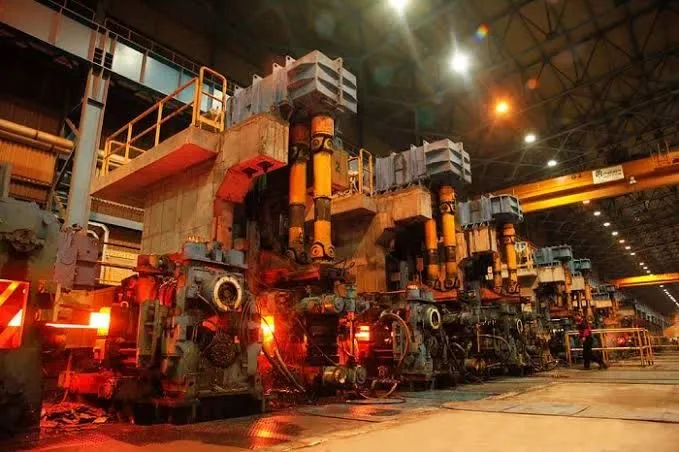
Steel is a measure of a country’s industrial capability. Competition has shifted from production volume towards production technology and environmental sustainability. This article introduces five major global steel players that help shape the world economy.
1. ArcelorMittal — Luxembourg/global. ArcelorMittal is undoubtedly a symbol of globalisation in steel. Formed by merging two steel giants, it operates in more than 60 countries. Distinctive feature: an unparalleled product range, from ultra-light automotive sheet to enormous building structures. Outlook: a leader in green steel and eliminating carbon from production by 2050.
2. China Baowu Group — China. The world’s largest steel producer by volume, this state-owned corporation emerged from the merger of several major plants and has annual capacity exceeding 100 million tonnes. Market role: a major determinant of base steel prices in Asia and worldwide. Focus: mass production of construction steel and hot-rolled sheet for China’s large infrastructure projects.
3. Nippon Steel — Japan. Japan leads in metallurgical precision and quality. Nippon Steel is a major supplier to demanding industries, including Toyota and major shipbuilders. Technology: developer of many specialised steel alloys that withstand extreme temperatures and pressures. Distinction: the world’s highest productivity relative to energy consumption.
4. POSCO — South Korea. POSCO’s story symbolises South Korea’s economic growth. Starting with limited capital in the 1960s, it is now among the world’s most profitable and modern steelmakers. Innovation: extensive AI and IoT use in rolling lines to reduce waste and improve precision to the millimetre. Position: a strategic international supplier of galvanised sheet and stainless steel.
5. Nucor — United States. Nucor transformed the US steel industry. Rather than conventional blast furnaces, it uses mini-mills and electric arc furnaces. Main distinction: maximising the use of ferrous waste and scrap to recycle and make new steel. Advantage: exceptional flexibility to change production rapidly in response to immediate market needs. [Image: map showing the distribution of steel giants in the East and West.] Why does understanding these plants matter? Today, steel prices even in the smallest markets are influenced by the production policies of these five giants. Understanding their production standards helps domestic companies adopt new technologies and bring product quality closer to global standards.